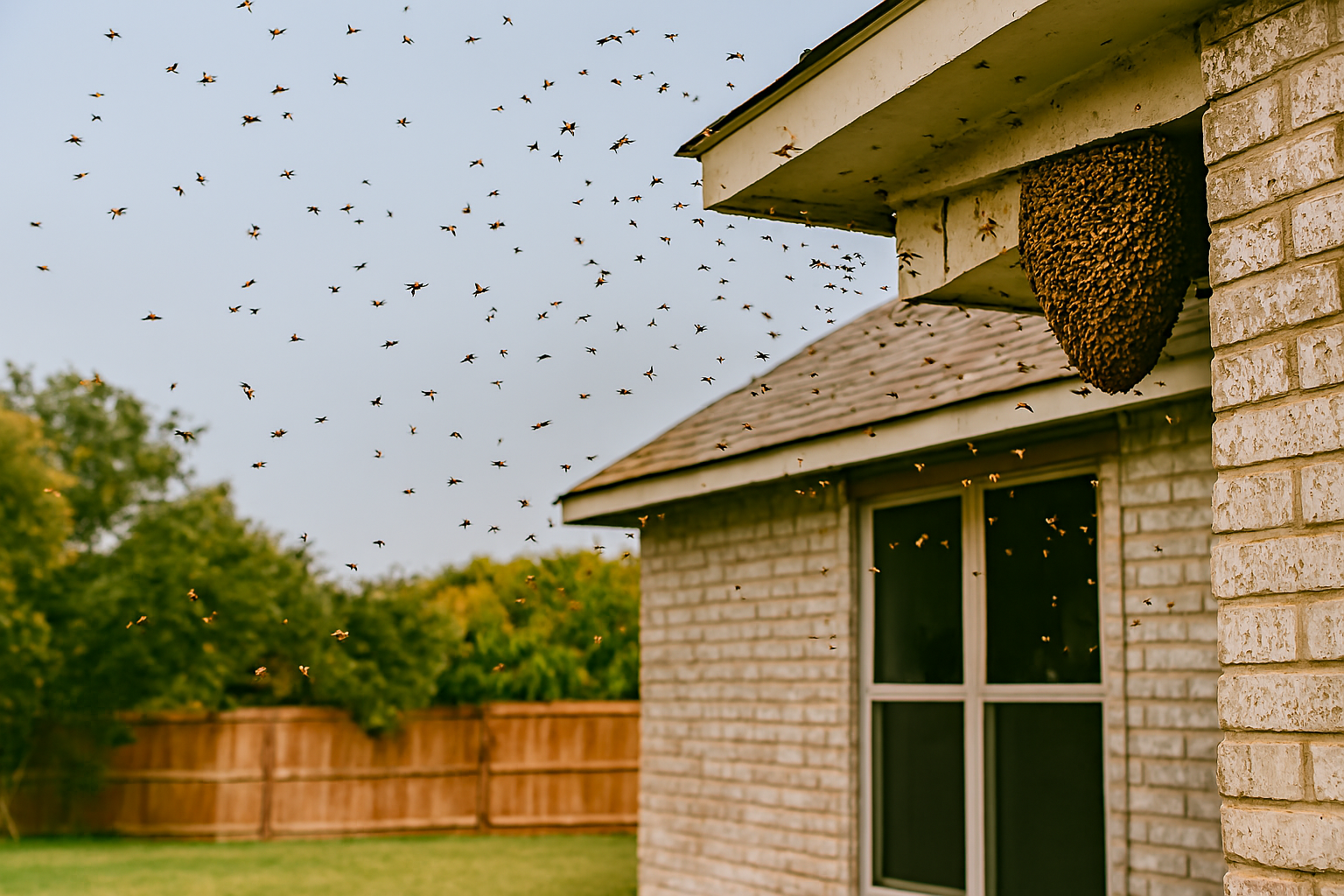
Why Wasp Nest Removal is Best Left to Professionals
Wasp Nest Removal - How To Remove A Wasp's Nest
Professional wasp nest removal is critical whenever you're dealing with wasps on your property. Whether the nest is in plain sight or hidden, it's best to call in a pro, so you don't risk getting hurt.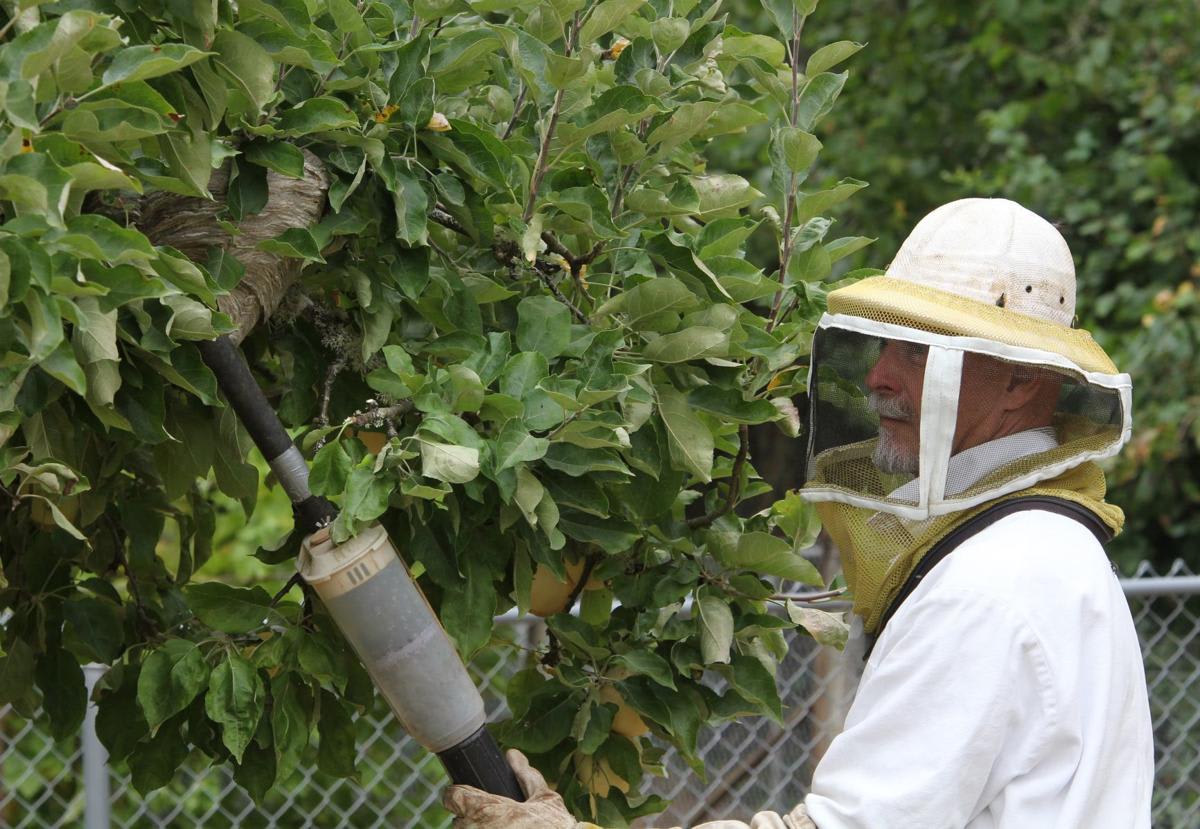 Often, homeowners attempt to do wasp nest removal themselves. They go online, looking for DIY (do-it-yourself) methods for removing the wasps. And inevitably, they follow bad advice that gets them stung and sometimes even requires a trip to the emergency room.
 There is a lot of misinformation on the Internet about how to remove a wasp's nest. These days, it's too easy for any homeowner to post their own wasp control trips online. But unfortunately, most of these instructions are not only wrong, but also extremely dangerous.
How NOT To Handle Wasp Nest Removal
1. Don't do it yourself.If people followed this first tip, they wouldn't need any of the tips below. We can't stress this point enough: do NOT attempt wasp nest removal yourself.
Avoid the risk of injury (to you, your loved ones and neighbors) by calling a professional. An expert will be able to remove the wasps and the nest a lot more quickly, more safely and more cleanly.
2. Do NOT try to knock the nest down.
When homeowners first spot a wasp nest, their first reactions are often to knock it down - usually because they don't see any wasps nearby.
 Yes, the nest might be inactive
or, it could have up to 10,000 wasps inside! Attempting to knock it down with a long pole, scraping tool or by throwing rocks will virtually guarantee you'll be stung if there are wasps inside. Leave it alone and call a pro to come inspect it and remove it.
Yes, the nest might be inactive
or, it could have up to 10,000 wasps inside! Attempting to knock it down with a long pole, scraping tool or by throwing rocks will virtually guarantee you'll be stung if there are wasps inside. Leave it alone and call a pro to come inspect it and remove it. 3. Put the bug spray away.
Another common response to spotting a wasp nest is dousing it with a can of Raid or other insecticide. Not a good idea.
If there are wasps inside, the bug spray might kill a few of them, but what about the rest that aren't affected or are flying nearby? Attacking their nest will make them extremely aggressive. They'll come after you immediately - and the nest will still be intact.
4. Keep the garden hose for gardening.
Yet another DIY method for "removing" a wasp's nest is spraying it with water. There's a reason why you'll never see a wasp control company use a garden hose on a nest. It's extremely dangerous and extremely useless.
Put the hose away and pick up the phone instead. Let the pros handle the situation, so you can relax inside and avoid a serious medical emergency.
Call The Bee Removal Specialist For Fast Wasp Nest Removal Nationwide
The Bee Removal Specialist provides rapid wasp control across the United States. Our network of highly skilled wasp and bee exterminators will promptly remove the wasps from your property, as well as the hive.We use safe, eco-conscious methods for wasp control (Related), and we can typically address your wasp problem the same day you call us.
Call (888) 664-3132 to get rid of your wasps, once and for all.